
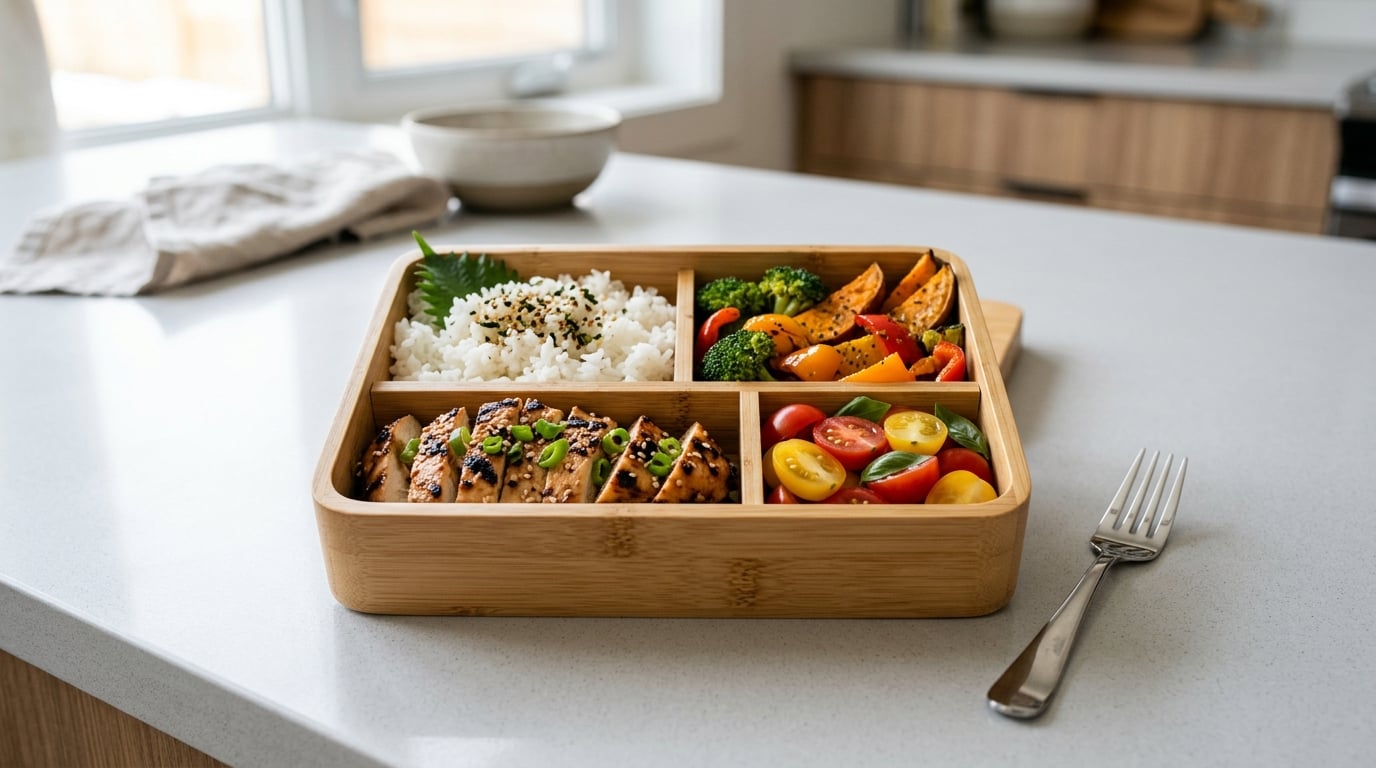
The best bento boxes for adults hold a real portion of food, keep sauces away from your rice, survive a backpack, and still look decent on a desk at 1pm. Most of the boxes marketed to adults are barely larger than a school lunch box, so the deciding factors are capacity, seal quality and how the box survives a year of daily lunches.
Are bento boxes good for adults? Yes, as long as you buy an adult-sized model. A proper adult bento carries somewhere between 700 ml and 1,200 ml across two to four compartments, which is enough for a cup of rice, a palm-sized protein and two sides. A kid-sized box holds roughly half that, and an adult trying to fit a full lunch into one usually ends up with an overflowing pile of food pressed under a lid that will not hold.
I have packed a workday lunch in just about every kind of container there is, and the failures repeat. Sliced-onion salad turns the rice to paste by noon. Dressing finds the seam. A plastic hinge snaps in month four. The boxes below are organised by the problem they solve, not by brand, so you can match one to the way you actually eat. Everything here was re-checked against current 2026 availability and everyday use, because several popular roundups online were published years ago and recommend boxes that are now discontinued or redesigned.
Table of Contents
- Best Bento Boxes for Adults at a Glance
- 1. Best Overall: Stainless Steel Multi-Compartment Bento Box
- 2. Best Leakproof Option for Sauces and Soups
- 3. Best Lightweight Box for Commuting
- 4. Best Bento Box for Meal Prep
- 5. Best Budget Plastic Bento Box
- 6. Best Bento Box for Office Lunches
- 7. Best Bento Box for Fitness and Post-Workout Meals
- 8. Best Glass Bento Box for Hot Foods
- 9. Best Bento Box with Built-in Utensil Storage
- 10. Best Premium Bento Box for Versatile Meals
- Frequently Asked Questions
- Choose the Best Bento Box for Your Daily Routine
Best Bento Boxes for Adults at a Glance
Every adult bento box does the same job: keep wet food away from dry food and open without a struggle. The table below compares the ten picks on the five things that actually decide whether you will still be using a box in six months.
| Pick | Material | Compartments | Leak protection | Cleaning | Best for |
|---|---|---|---|---|---|
| Stainless steel multi-compartment | Steel body, plastic lid | 3 to 4 | High, silicone gasket | Dishwasher safe, wide mouth | Everyday adult lunches |
| Silicone-sealed leakproof box | BPA-free plastic, steel lid clips | 2 to 3 plus sauce well | Very high, locking clips | Dishwasher safe, gasket removable | Soup, dressing, saucy food |
| Lightweight commuting box | Thin plastic, snap lid | 2 to 3 | Moderate, best for dry food | Dishwasher safe | Carrying weight in a backpack |
| Stackable two-tier meal prep box | Clear plastic with steel clips | 4 to 6 across two tiers | High, clip seal | Dishwasher safe, fridge stackable | Preparing several lunches at once |
| Budget plastic clamshell | PP plastic | 2 to 3 | Low to moderate, snap fit | Dishwasher safe, hand wash lid | Occasional packed lunches |
| Office everyday box | Steel with cutlery in the lid | 3 | High, gasket seal | Dishwasher safe | A professional desk lunch |
| Compact fitness box | Light plastic with steel clips | 2 to 3, smaller wells | High for its size | Dishwasher safe, narrow openings | Post-gym protein and carbs |
| Glass compartment box | Borosilicate glass, plastic lid | 2 to 3 | Moderate, gasket dependent | Dishwasher safe, no absorption | Warm meals and no plastic contact |
| Built-in utensil box | Plastic body, plastic or steel lid | 2 to 3 plus utensil slot | Moderate to high | Dishwasher safe, slot needs a brush | Not carrying loose cutlery |
| Premium modular box | Steel with removable dividers | Configurable 2 to 4 | Very high, tight gasket | Dishwasher safe, hand wash dividers | Meals that change daily |
One note on sizing before you go further. Adult bento boxes cluster into two groups: single-tier boxes around 700 to 900 ml, and two-tier or deeper boxes from 1,000 ml up. A single tier is fine for rice, protein and two small sides. Anything involving soup, a full salad or a baked potato wants the deeper model, because cramming extra volume into a shallow box is exactly what pops a lid open in your bag.
On a bag-fit note, a full adult bento plus an ice pack typically adds a noticeable block of weight to a laptop bag. Boxes built from thin plastic and a small gasket sit lighter than steel versions, which matters more than most people expect when you are carrying a laptop, a charger and a lunch five days a week.
1. Best Overall: Stainless Steel Multi-Compartment Bento Box
A steel multi-compartment box is the pick most adults end up keeping for years, because the failure mode that kills plastic is a cracked hinge, and steel does not have one. The body is a single pressed piece, the compartments are formed in the metal rather than assembled from separate parts, and the only components that can degrade are the lid and its gasket.
Steel also handles the full range of adult lunches without special treatment. It goes from fridge to microwave with the lid off, survives the dishwasher on the top rack, does not absorb tomato or turmeric stains, and stays structurally fine after being dropped on a tiled floor with a fork rattling loose inside. On r/Bento, people who pack lunch daily tend to favour stainless steel models for exactly this reason, naming brands such as Zojirushi and monbento as the ones that have held up over time rather than the plastic boxes they replaced.
A realistic adult lunch in one of these is a cup of rice, a palm-sized piece of chicken or fish, a couple of pickles and cherry tomatoes in one well, and a small pot of sauce in another. Because the dividers are fixed in steel, wet and dry items genuinely stay apart for a full workday, which is the problem a flat clamshell never solves.
The one thing to check is the weight. Steel is heavier than plastic, so if your commute is a long walk or a bike ride, weigh the empty box in your hand first. For most train and car commutes, it is not an issue.
2. Best Leakproof Option for Sauces and Soups
The leakproof category exists because leaking is the single most common complaint about bento boxes, and on r/Bento it comes back to the same thing every time: boxes marketed as leakproof were not tested with a salad dressing or a side of soup. If your lunch involves anything wet, a silicone-sealed box with locking metal clips is the one to buy, and you should ignore the general-purpose boxes in this list for this job.
What separates these from a standard box is the seal stack. A silicone gasket sits in a channel in the lid, clips hold the lid down against the gasket, and each compartment closes individually rather than relying on one flat plane of plastic. That design is why a soup in a well and a yogurt cup in a sauce pot can both survive a jostled tote.
Capacity is usually 700 to 1,000 ml with two to three wells plus a small sauce pot, and for hot food the practical rule is to fill a well no more than about two-thirds full. Liquid expands when it heats, and a completely full compartment is the most common reason a well-pressurises and pops its seal.
Cleaning takes an extra minute. Most of these lids are dishwasher safe, but the gasket is a separate silicone ring that lifts out, and it is the piece that traps dried dressing. Pull it out, rinse it separately, and it will keep sealing for years. Left in place, a crusty gasket is what turns a leakproof box into a leaky one.
3. Best Lightweight Box for Commuting
The lightest adult bento boxes use thin, rigid plastic and a snap-fit lid, and they make more sense than they get credit for. A full steel lunch can add close to a kilogram to a bag before you count the food, and for anyone who walks, cycles or takes a crowded train, that weight is felt by the second week.
These boxes are built for dry and semi-dry lunches: sandwiches cut on the diagonal, grain bowls with the dressing on the side, wraps, crackers, fruit. A snap lid that engages along the front edge and stays closed with a clip will hold rice, chicken and raw vegetables comfortably, provided you pack the dressing or any wet component in a separate small jar rather than pouring it in.
One-handed use matters more than it sounds. A box that opens with two thumbs while your other hand holds a coffee is a small daily win; a box with a hinge that needs both hands and a firm pull becomes something you stop unpacking properly. Look for a wide mouth too, because a narrow opening turns a nightly rinse into a scrubbing job.
The trade-off is lifespan. Thin plastic boxes with snap hinges are the ones most likely to crack at the hinge after a few months of daily use, which is a problem if your lunch is a daily habit. If you pack lunch two or three times a week rather than five, the light box is the right call and the steel option is overkill.
4. Best Bento Box for Meal Prep
Meal prep needs a different box from daily lunch, and the difference is stackability. Two-tier boxes hold a small meal in each tier and stack with clips so five days of lunches fit in a fridge shelf roughly the size of one. A single-tier box forces you to line five boxes up across a shelf, and you lose track of which is Tuesday’s.
The useful layout is four to six wells spread across the two tiers: two larger wells for a starch and a protein, and several small ones for vegetables, a sauce pot and a piece of fruit. Because each well is a fixed size, it also does the portion control for you. You cannot accidentally pack three times the rice, because the well simply will not hold it.
For prep efficiency, removable dividers and a wide opening matter more than anything else. A box you cannot get a spoon into turns Sunday prep into a fifteen-minute-per-meal chore. Clear plastic bodies also let you see the contents at a glance, which matters on the fourth or fifth day when you are assembling lunches in a hurry.
Durability is usually the compromise here. Clip-sealed plastic with a steel hinge band handles a fridge and a dishwasher cycle without drama, but the clips are springy rather than locking, so these are not the boxes to fill with soup. Plan on dry or semi-dry meals, and check the clips for tension every few months, since a loose clip loses a seal long before the plastic cracks.
5. Best Budget Plastic Bento Box
A budget plastic bento makes sense in two situations: you pack lunch occasionally, or you are replacing a box that has already cracked and you want a spare. In both cases, an inexpensive two-compartment box with a snap lid does the job for a sandwich, a piece of fruit and a handful of crackers, and it does it without asking you to think about maintenance.
Weight is the main advantage. Basic polypropylene boxes are the lightest thing in this guide, which makes them the easiest to carry and the easiest to store in a drawer or a locker. Most are top-rack dishwasher safe, though the lid is usually hand-wash only, and the two are not always made from materials that tolerate the same heat, so check the markings rather than assuming.
Expect a lifespan of months, not years, at daily use. The hinge is the weak point, and a hinge that goes stiff or cracks lets the lid sit proud of the body, which is when a box that felt sealed starts to smell like last week’s dressing. Treat it as a replaceable tool rather than an investment, and buy two so you can wash one while the other is in the bag.
Value here is simple. If you pack lunch four or five days a week, spend more on a steel or locking-clip model. If you pack twice a week, an inexpensive plastic box is genuinely the smarter purchase.
6. Best Bento Box for Office Lunches
The office bento is judged on one thing nobody mentions: whether it looks intentional on your desk at 1pm. Adults are self-conscious about packed lunches in a way that most product pages ignore, and the difference between a scuffed plastic clamshell and a tidy steel box with a defined layout is bigger than it sounds at work.
Look for three wells plus cutlery stored in the lid. That layout holds a main, a side and a small vegetable portion without mixing, and a fork in the lid slot means you are not fishing a loose fork out of your bag at the bottom of a dead USB cable. A gasket-sealed body handles a mixed meal all day, and a wide mouth keeps the end-of-day rinse quick.
A typical weekday lunch is a small portion of grain, a protein, two vegetable sides, a piece of fruit and a sauce pot. The fixed wells keep those portions the same size each day, which quietly becomes portion control without any counting. The box stays in the office fridge overnight, so the material also needs to survive being cold for a full night, and stainless steel and glass both handle that better than any plastic, which can go cloudy and stiff after weeks of chill.
If your office has a shared kitchen, weight and opening method matter for speed. A box that opens with one hand gets used properly at 12:30 instead of being tipped out of the bag at your desk.
7. Best Bento Box for Fitness and Post-Workout Meals
Post-workout lunches have a specific shape: protein first, carbs second, almost nothing wet. That makes a compact box with two or three smaller wells a better fit than a large single-tier, and it keeps the overall package small enough to sit in a gym bag beside a water bottle.
Protein-forward packing works well in this format. Grilled chicken, tuna, boiled eggs or tofu fill the largest well, a portion of rice or pasta fills the second, and roasted vegetables or a handful of berries go in a small third. Because the wells are fixed, you build the same meal every time, which removes the daily decision that usually kills a prep routine.
Portability is the deciding factor rather than a bonus. Look for locking steel clips and a seal that holds when you set the box down on a gym bench, plus a base that does not slide when you pull it out of a bag quickly. Condensation is the real enemy here, since a warm protein portion and a cold portion in the same box will steam each other, and a paper or cloth liner in the vegetable well prevents salad from going limp by lunch.
Cleaning is straightforward if the wells are wide rather than deep, but narrow wells are hard to scrub. Choose a box whose compartments you can get a cloth into end to end, and wash it the same evening. A protein portion left overnight is the one smell no seal will fix.
8. Best Glass Bento Box for Hot Foods
Glass bento boxes are chosen for two reasons: nothing touches your food but glass, and nothing absorbs. Tomato sauce, turmeric rice and ginger never stain the surface permanently, which does not sound like a major benefit until you have scrubbed a plastic box that stayed orange.
On hot food, the honest truth is that the lid decides everything. A borosilicate body can go into the microwave, but most plastic lids cannot, so the lid comes off and goes on the counter. A glass body also stores heat longer, so warm meals stay warm for a while, but it is not insulated. If you need lunch hot at 6pm, a glass box in a tote is not going to do it, and an insulated jar-style container is the tool for that job instead.
The costs are weight and breakage. Glass is the heaviest material in this guide by a clear margin, which adds up in a bag, and a glass box dropped on a tiled office floor is a genuine loss rather than a dent. Treat these as a home or car lunch unless you have a padded sleeve and a genuinely careful commute.
Cleaning is the easiest of any material here. Top-rack dishwasher safe, no stain absorption, and no gaskets to peel. The gasket is the weak point instead, so treat the seal as a consumable, keep spares if the manufacturer offers them, and stop using the box if the lid has cracked even slightly.
9. Best Bento Box with Built-in Utensil Storage
Built-in utensil storage solves a small but relentless problem: a fork rattling around loose in a bag, dirty, at the bottom of your rucksack. A dedicated slot or a recessed area in the lid keeps the cutlery with the box and stops the constant searching at lunchtime.
The capacity tradeoff is real and worth knowing. The utensil compartment takes up space that would otherwise be a fourth food well, so a box with storage usually gives you two or three food compartments rather than three or four. That is a sensible trade for someone packing a wrap or a sandwich, and a poor trade for someone who wants a rice well, a protein well, two vegetable wells and a sauce pot.
Cleaning is where these boxes usually disappoint. A narrow fork slot is hard to reach, and cutlery washed in place rarely gets fully clean. Pull the fork out, wash it with the rest of your kitchen stuff, and dry the slot completely before closing the lid, or you are creating a damp tunnel that smells within a few days. Steel cutlery in a plastic slot is a better long-term bet than plastic, because plastic cutlery flexes and eventually snaps at the hinge.
For portability, these are usually among the lighter boxes, and a shallow lid profile fits a laptop sleeve better than a deep two-tier model. Just confirm the cutlery is long enough to reach the bottom of your deepest well, since a short spoon in a deep container is a common disappointment.
10. Best Premium Bento Box for Versatile Meals
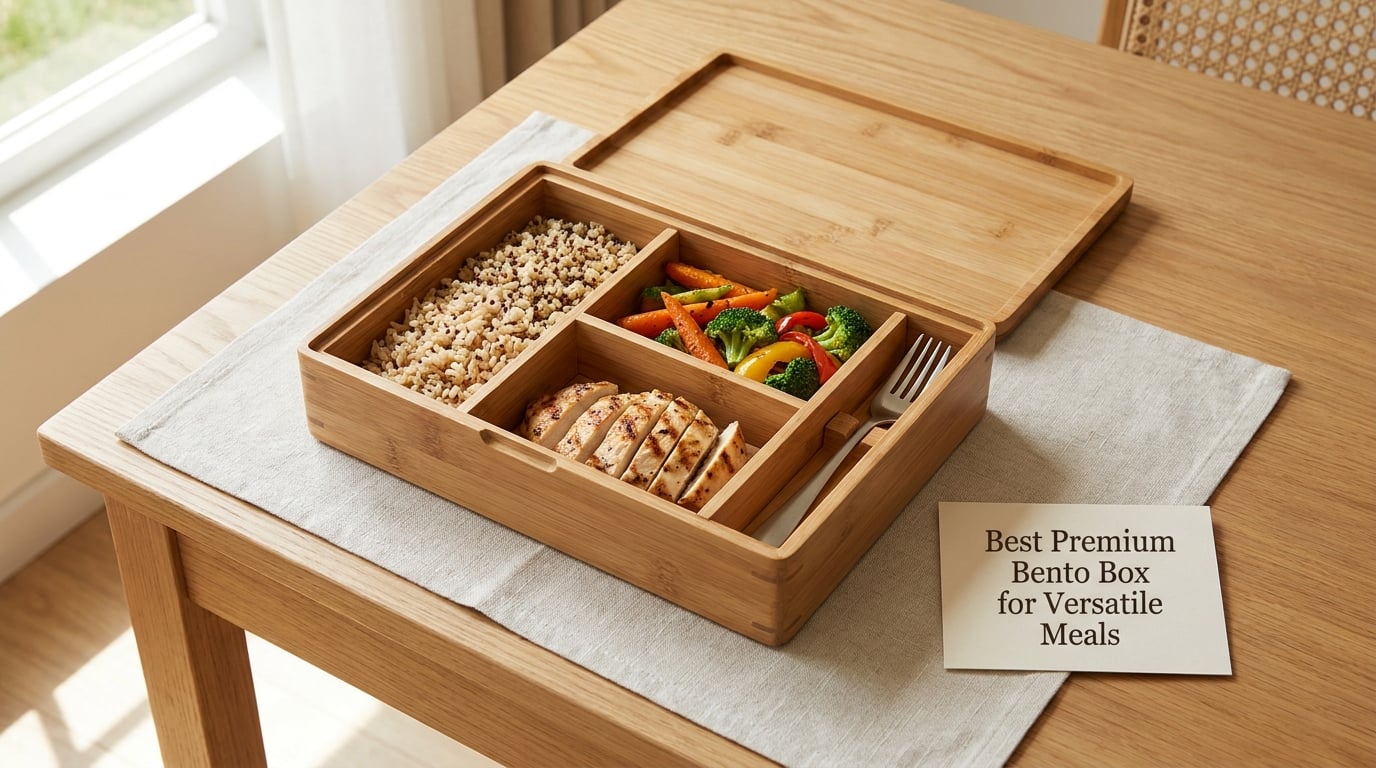
A premium modular box is the one to buy if your lunch changes every single day. The dividers lift out and rearrange, so the same container can be a two-compartment box for a sandwich on Monday and a three-compartment box for a grain bowl on Tuesday, and that flexibility is the whole argument for spending more.
The sealing on this category is where the money goes. A tight gasket pressed into a full-length channel, with a lid that latches evenly along the whole edge, is what separates a premium box from a mid-range one when you pack a dressing or a yoghurt pot. Weight is higher than plastic boxes and comparable to steel, and the reflective finish has the pleasant side effect of looking less scuffed than matte plastic after a year in a bag.
Cleaning is dishwasher safe for the body and lid on most models, with removable dividers that are better hand washed, since thin dividers can shift position in a full rack and come out bent. Dry the box fully before assembling, particularly around the gasket channel, so no trapped moisture sits in the seal groove overnight.
This is the one box on the list that makes sense for both work and leisure. It handles a weekday desk lunch, a park picnic, and a weekend of food from a shop with fruit and cheese, which is the flexibility that justifies the price for a household that uses a lunch container five or six days a week.
Frequently Asked Questions
What is the best high-quality bento box?
A stainless steel multi-compartment box is the best all-round choice for adults, because the compartments are formed in the body rather than assembled from parts, so there is no hinge to crack. It survives daily use, the dishwasher and drops far better than plastic, and it keeps wet and dry food separate for a full workday. Add a leakproof silicone-sealed model if your lunches regularly include soup or dressing.
Which brand of bento box is considered the best?
Brand reputation on adult bento boxes tracks material more than anything else. Stainless steel lines such as Zojirushi and monbento are the ones most often recommended for long-term daily use, while plastic lines like Bentgo and Skater are mainstream and widely available, and usually come with compartments and utensils included. Judge the specific model on its gasket, hinge and lid markings rather than on the name alone.
Are bento boxes good for adults?
Yes, provided you buy an adult-sized model. Adult bento boxes hold roughly 700 ml to 1,200 ml across two to four compartments, which fits a cup of rice, a palm-sized protein and two sides. Kids-sized boxes hold about half that and force you to overfill a single compartment, which is the usual reason an adult bento ends up leaking. The main benefit is portioning and separation, not aesthetics.
Can you microwave a bento box with the plastic lid on?
Usually not. Plastic lids on bento boxes commonly carry a microwave symbol, and that symbol usually means the body is microwave safe and the lid must be removed or it is not. Microwave the body only, on a lower power setting where you can, and check for any metal trim or clips first, because a spark in a microwave ends the experiment. The same caution applies to any stainless steel component.
What size bento box holds an adult lunch?
For most adults, 700 ml to 1,000 ml across two to four compartments is the right range for a normal workday lunch of a starch, a protein and two sides. Go above 1,000 ml for two-tier or deeper designs if you pack soup, a full salad or a baked potato. What matters more than the total volume is the shape of the wells, since a single deep well cannot be subdivided and a wide shallow one can.
Is a bento box better than a lunch box for adults?
A bento box wins when your lunch has several parts that should not touch, because separate wells keep a dressing out of your rice and keep a crisp side from going soft. A traditional insulated lunch box wins when the goal is keeping food hot or cold for hours, since bento boxes are not insulated. Adults who pack a mixed meal usually do better with a bento plus a separate insulated bottle for drinks.
Choose the Best Bento Box for Your Daily Routine
Start with your week, not the specs. If you pack a hot or saucy meal most days, go straight to a silicone-sealed or locking-clip box and accept the extra weight. If lunch is a light dry meal and you walk or cycle to work, choose a lightweight plastic box and pack dressings separately. If you cook on Sundays and eat the same thing all week, a stackable two-tier design saves more time than any other feature.
Then pick your material. Stainless steel for durability and everyday adult use, glass if you want no plastic contact and do not carry the box far, plastic if weight and cost decide it. Whichever you pick, check two things before you buy: whether the lid is microwave safe with or without removal, and whether the gasket comes apart for cleaning. Those two details cause more disappointment than any other feature on the box.
One last practical habit. Wash the box the same evening you use it, pull the gasket out at least once a week, and check the clips and hinge every few months. A bento that gets cleaned and checked is a five-year container, and the same box left to crust over is a six-month one.