
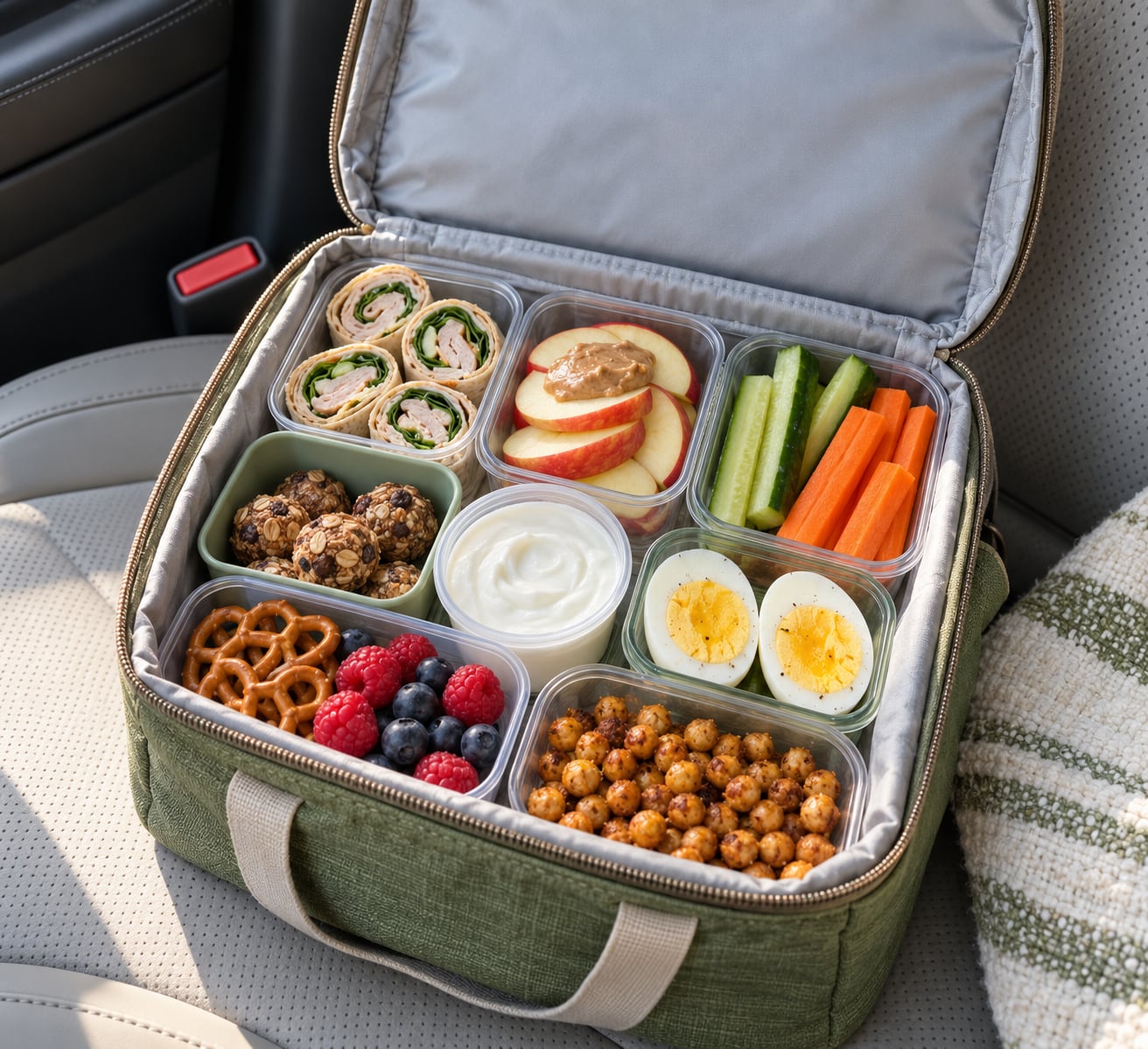
Healthy road trip snacks for kids come down to three things: protein, fiber, and something a child can open and eat alone without a crumb explosion. The best options survive a hot car, need no utensils, and stay interesting past hour three. My rule is simple: pack one fruit, one protein, one crunchy thing per outing, and let the kids choose which of the three they want first.
I’ve packed for everything from a 90-minute drive to a three-day haul with a toddler in the back seat. What works never really changes. The differences come down to prep time, whether the food needs a cooler, and how old the kids are.
Below is a comparison of twelve options, then a short guide to each one with how to pack it, how long it holds, and what to watch for.
Table of Contents
- Healthy Road Trip Snacks for Kids at a Glance
- 1. Mini Turkey and Hummus Pinwheels
- 2. Apple Sandwiches
- 3. Cucumber and Carrot Snack Cups
- 4. Custom Trail-Mix Bites
- 5. Banana Energy Bites
- 6. Whole-Grain Cheese and Crackers
- 7. Yogurt and Berry Parfaits
- 8. Hard-Boiled Egg Snack Packs
- 9. Edamame Pods
- 10. Pretzel and Berry Packs
- 11. Oatmeal Energy Squares
- 12. Crunchy Chickpea Snack Mix
- Frequently Asked Questions
- Conclusion: Start With a Small Snack Mix
Healthy Road Trip Snacks for Kids at a Glance
| Snack | Prep time | Best age / kid appeal | Travel and storage notes |
|---|---|---|---|
| Turkey and hummus pinwheels | 10 minutes | Preschoolers and up; toddlers with soft slices | Needs a cooler; roll tight and slice before leaving |
| Apple sandwiches | 5 minutes | Ages 3+; thin rounds for younger kids | Shelf stable; dip in lemon water to slow browning |
| Cucumber and carrot cups | 5 minutes | All ages; cucumber is a favorite | Keeps 2 days cold; use a lidded cup for the dip |
| Trail-mix bites | 15 minutes plus chill | School age and up | Freezer stable; carry a few soft so they aren’t rock hard |
| Banana energy bites | 10 minutes | Ages 2+ with supervision | Freeze overnight; thaw 10 minutes before serving |
| Cheese and whole-grain crackers | 2 minutes | All ages; cut shapes for young kids | Needs a cooler for the cheese; crackers stay crisp |
| Yogurt berry parfaits | 5 minutes | Ages 2+ | Frozen with an ice pack overnight, or packed last |
| Hard-boiled egg packs | 15 minutes to boil | Ages 2+; slice lengthwise for younger kids | Keep at or below 40F in a cooler |
| Edamame pods | 3 minutes | Ages 4+; one-handed eating appeal | Fully shelf stable; skip for soy allergies |
| Pretzel and berry packs | 3 minutes | All ages | Shelf stable; separate compartments cut the mess |
| Oatmeal energy squares | 25 minutes plus set | Preschoolers and up | Airtight at room temperature for 5 days |
| Crunchy chickpea mix | 20 minutes | Kids who like salty; school age | Shelf stable in a sealed jar; goes soft if the car is damp |
1. Mini Turkey and Hummus Pinwheels
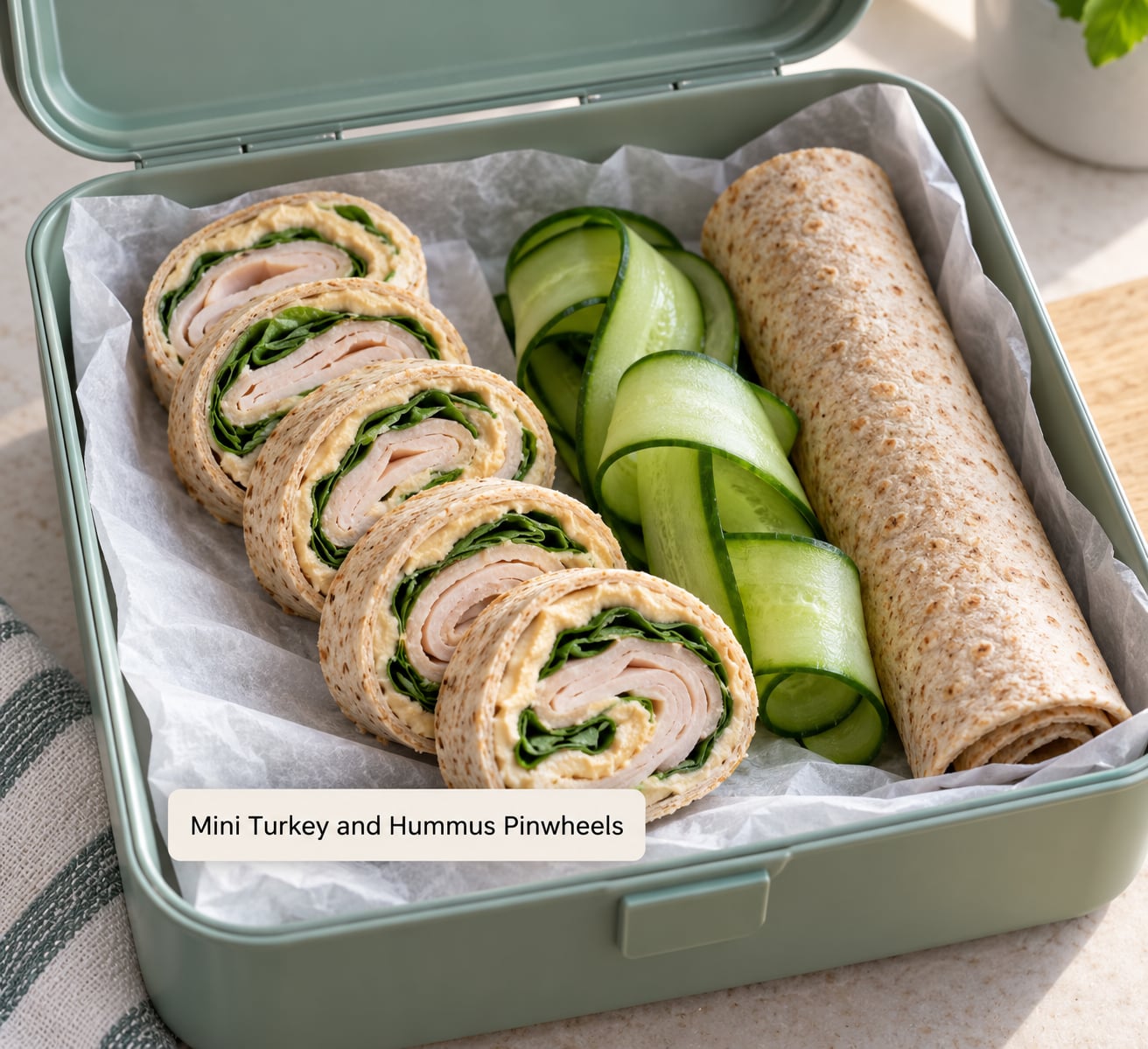
Lean protein plus a whole-grain wrap is the single most filling snack I pack for a long stretch of driving. Kids eat them with their hands, and a clean pinwheel leaves almost nothing on the seat.
Spread a thin layer of hummus across a whole-grain tortilla, lay two slices of turkey on top, and roll it snugly from the edge. Chill for 10 minutes so the filling sets, then slice into rounds about an inch thick. That chill step is what keeps the pinwheel from unrolling in a kid’s hand.
For a variation, swap the hummus for cream cheese and add cucumber ribbons or grated carrot. Thin carrot sticks work better than grated for a car seat since they do not shed into the seams.
Deli turkey must stay cold, so this snack goes in the cooler rather than the snack bin. If you are building a cold lunch instead of a snack, my cold lunch ideas for road trips covers the other versions.
2. Apple Sandwiches
Two thin apple rounds with a thin layer of nut or seed butter look like a sandwich and eat like one. Most kids consider them a treat, which makes them useful for a picky eater who has already refused the crackers.
Slice a firm apple into rounds a quarter-inch thick, spread butter on one side of a pair, and press them together. Cut in half so a younger child gets a piece sized for small hands.
Browning is the only real problem. Tossing the slices in a little lemon or lime water for a few minutes slows the browning, and a squeeze of lemon over the finished sandwich helps too. Dry is better than drenched, so pat the slices before you assemble.
Two cautions. Whole nuts and thick nut butter are choking hazards for toddlers under 4, and thinly spread sunflower seed butter is the usual swap when a child has a nut allergy or a school requires nut-free food. Cut apple slices lengthwise if the child is under about 3, since round cross-sections are harder to manage in a moving car.
3. Cucumber and Carrot Snack Cups
Raw vegetables get a bad reputation for a car trip, mostly because a limp bag of sticks at hour two is not appealing to anyone. A small reusable cup with a dip changes the reaction.
Cut cucumber into half-moons and carrots into short batons, then fill a lidded cup about two-thirds full. Add a few bell pepper strips for color and crunch. Pack the dip in its own small screw-top container and let the child pour it over the vegetables.
How to Keep Snack Cups From Leaking
Skip the dressing and put the dip in a separate pot with a snap lid. Liquid seeps out of almost any container that relies on friction, and a sticky cup in a cupholder is a mess nobody enjoys. If you have no small pots, a clean silicone sauce bottle works better than a baggy sandwich container.
Wrap the whole cup in a cloth napkin or a small towel. It keeps the vegetables cool longer and stops the cup from rolling under the seat.
4. Custom Trail-Mix Bites
A store-bought trail mix disappears in twenty minutes on a long drive. Pressing the same ingredients into no-bake bites gives you the flavor with a built-in portion.
Combine two cups of rolled oats with half a cup of nut or seed butter, a third cup of dried fruit, and a quarter cup of a crunchy ingredient like sunflower seeds, chopped nuts, or shredded coconut. Add a spoonful of honey or maple syrup to hold it together, then stir it well and press it into a flat layer in a lined pan.
Chill for an hour, then cut into small squares. The peanut butter and oat version is the crowd favorite. For a school or allergy-aware trip, the sunflower seed version works just as well because sunflower seeds are a top-nine allergen in the US but are not a nut.
Let the child pick two ingredients before you leave. In my experience a kid who builds the batch eats it happily, and that same kid may refuse the identical mix bought at a store.
5. Banana Energy Bites
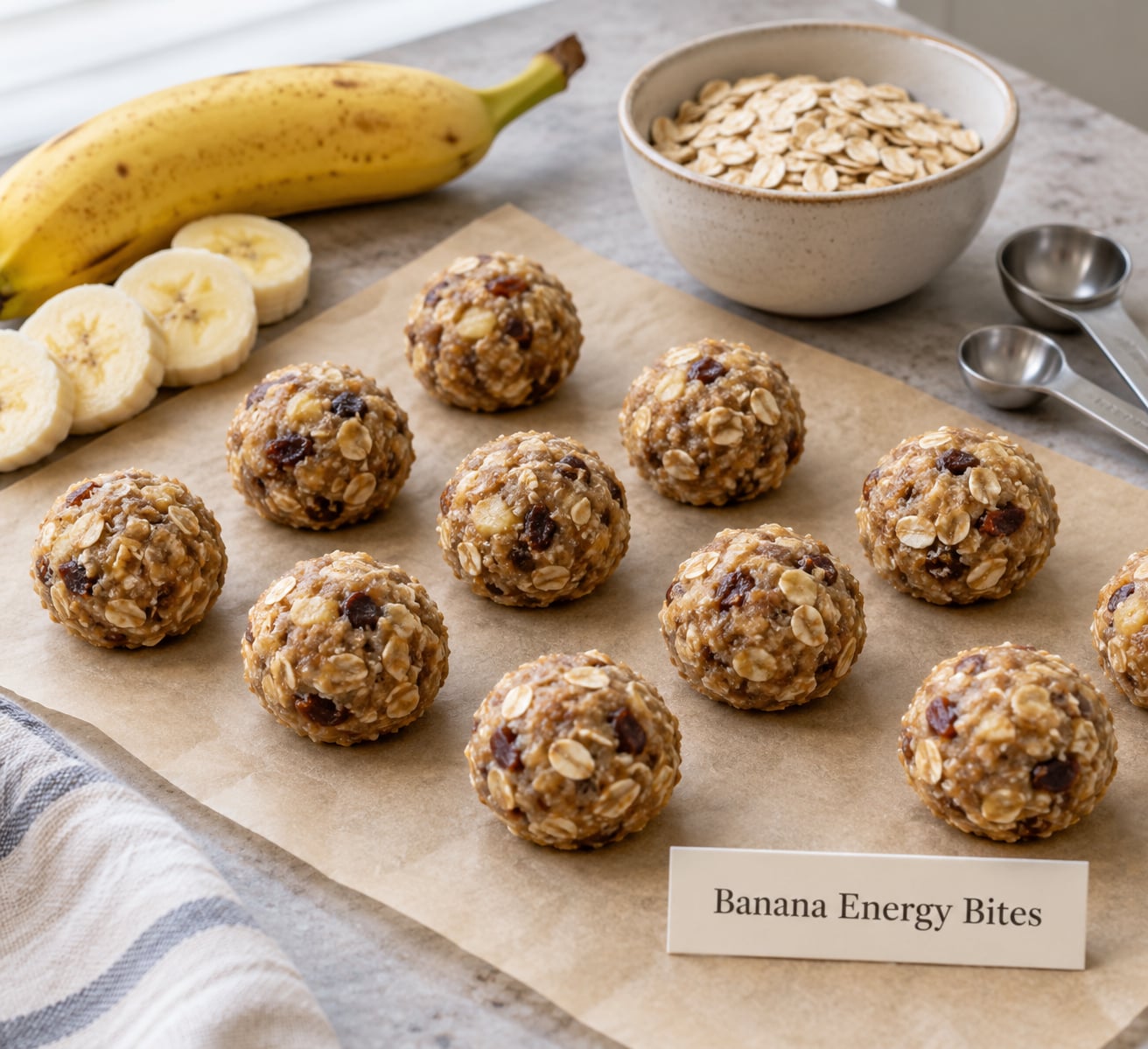
Mashed banana does the work of both the binder and the sweetener here, so nothing extra gets added. Two bananas, a cup of oats, and a third of a cup of nut butter make a soft, compact bite that fits in a small bag.
Mash, stir, and roll into balls about the size of a walnut. Most families like them chilled rather than frozen solid, so freeze them overnight and let them sit out for about ten minutes in the morning. Frozen bites also take up less room in a cooler and slowly thaw as the morning goes on.
Oats give the batch its staying power, and the nut butter adds fat so the child stays full rather than hungry again in forty minutes. Whole nuts and thick globs of nut butter stay off the menu for under-4s; use sunflower seed butter and flatten the bites into coin shapes so they are easy to gum.
6. Whole-Grain Cheese and Crackers
This is the reliable default that most parents already know works, which is why it is worth doing slightly better. Build small pairs of one cracker and one thin slice of cheese rather than a handful of crackers the child has to hold.
Choose a whole-grain cracker with a short, tight ingredient list, and a lower-sodium cheese if you can find one that still tastes good to a kid. Cut cheddar into thin squares or use a mild Swiss and a tiny spread of mustard on one cracker half. A cookie cutter turns either into stars or rounds for a preschooler, which buys you a few minutes of attention on the rough stretch of road.
Cheese needs a cooler. Crackers do not, which means you can split the pair and keep the crunchy half in the dry bin if the cooler space is tight.
7. Yogurt and Berry Parfaits
Yogurt travels well only in the right container. A tall cup is fine; a wide shallow bowl of loose yogurt in a car seat is a guarantee of sticky upholstery.
Pack a sturdy cup of plain Greek yogurt and let the child add berries and a small handful of oats at the top rather than mixing them in. Keeping the oats on top is what stops the whole cup from turning to paste. Freeze the cups overnight with an ice pack in an insulated bag, or load them into the cooler last so they come out cold rather than frozen.
Keep dairy at or below 40F, and think of any insulated bag as temporary insulation rather than a freezer. If you are serious about keeping it cold across a long day, frozen water bottles do a better job than an ice pack alone.
8. Hard-Boiled Egg Snack Packs
Boiled eggs are one of the few snacks that fill a kid right up and need almost nothing beyond a small container. Cut them in half, add a few cucumber or carrot pieces and a couple of whole-grain crackers, and you have a lunchable snack box that costs almost nothing to make.
Slice eggs lengthwise for a toddler or preschooler rather than in rounds. The same goes for round carrot coins, which are the other common shape in the car that nobody wants to hear about at mile marker 100.
The USDA Two-Hour Rule for Snacks in a Hot Car
The USDA guidance is to keep chilled food at or below 40F, and to discard perishable food left above that temperature for more than two hours. In a parked car on a hot day that window shrinks to one hour once the temperature outside passes 90F, and a closed car climbs well past that in minutes.
So the practical rule is that eggs, dairy, deli meat, cut fruit, and dips belong in a cooler that stays shaded, and they go in the trash rather than back in the mouth if the cooler has been warm. Shelf-stable snacks like pretzels, dried fruit, edamame, and chickpeas are the ones that tolerate a hot car.
9. Edamame Pods
Edamame is close to a perfect road trip snack because a pod is a natural portion and a natural handle. A child can pull the beans out one at a time without dropping anything.
Serve them lightly salted, plain, or dry-roasted with a little sea salt and paprika. The lightly salted frozen kind steams well from room temperature and needs no prep beyond thawing for a few minutes. Dry-roasted versions stay crisp indefinitely, which makes them the better pick for a trip with no cooler.
Soy is a major allergen, so this one has to be skipped entirely for a child with a soy allergy. Whole pods are also a choking risk for a younger toddler, so shell them and serve loose beans instead.
10. Pretzel and Berry Packs
When a sandwich is the last thing that child will eat, put the same components side by side instead. Whole-grain pretzel twists with fresh berries or freeze-dried strawberry pieces do the job with no cutting, no squeezing, and no drip.
Portion them into small freezer bags rather than handing over the family box. It is the single change that most improves a long drive, because it turns a five-minute snack into a forty-minute one.
Freeze-dried berries give the sweet hit without sticky hands and do not bruise the way fresh berries do after two hours in a warm car. If a child refuses anything but sandwiches, our sandwiches for kids who don’t like sandwiches list is a good fallback. Use separate bags or a divided container so the pretzels do not go soft on the way to the berries.
11. Oatmeal Energy Squares
Oatmeal squares are the batch-cooking answer to a long trip. One pan covers four to six days of snacks, and they travel in a single container instead of twelve small bags.
Cook two cups of rolled oats in water or milk until thick, then stir in a mashed banana or a cup of applesauce, a third of a cup of nut or seed butter, and a small handful of dried fruit or chocolate chips if the child will eat them. Spread the mixture in a lined 8-inch pan, press it flat and hard, and let it cool before cutting into finger-width strips.
Pressing firmly matters more than the ingredient list. Loose squares crumble in a cupholder, and a compacted square holds together well enough to eat one-handed.
Store them airtight with a sheet of parchment between layers. They stay chewy for about five days at room temperature, and a square that has gone slightly dry can go in the cooler for an hour before the trip.
12. Crunchy Chickpea Snack Mix
Roasted chickpeas are the savory answer when a child has already had two sweet snacks and everything else sounds dull. They are protein and fiber with a crunch, and unlike nuts they are fine for a nut-free outing.
Toss drained chickpeas with a little olive oil and salt, then roast at 400F until they rattle and look deep golden, roughly 25 to 30 minutes. Season after baking with paprika and cumin, a ranch-style powder, or curry and a pinch of chili. Store them in a sealed jar or a wide-mouth container so nothing goes soft in a humid car.
Give a small portion up front rather than the whole container. A chickpea that has been sitting in a closed car for an hour is a softer, less interesting chickpea, so a small jar that gets refilled from your stash works better than one big bag.
Frequently Asked Questions
What are the best healthy road trip snacks for kids?
The best healthy road trip snacks for kids pair protein, fiber, and a bit of healthy fat so nobody crashes an hour later. Good picks include turkey and hummus pinwheels, apple rounds with nut butter, boiled egg packs with cucumber, lightly salted edamame, whole-grain pretzels with freeze-dried berries, and homemade energy bites. Choose snacks the child can open alone, and pack one fruit, one protein, and one crunchy item per outing.
What foods should not sit in a hot car during a road trip?
Anything perishable should not stay in a hot car: deli turkey and hot dogs, cheese, yogurt, butter, dips, eggs, cut fruit, and cooked or cut vegetables. The USDA says to keep chilled food at or below 40F and discard perishable items left above that temperature for more than two hours, or one hour when it is above 90F outside. Use a shaded cooler with frozen water bottles as ice packs and restock it often.
How do I keep cut fruit fresh without getting soggy?
Toss cut fruit in a little lemon or lime water for a few minutes before packing, then pat it dry rather than draining it thoroughly wet. Keep fruit in its own sealed container so it never sits on top of crackers or bread, which turns both soft. Apples travel better than berries, and bananas are best packed whole and peeled at a rest stop. Skip the water and lemon entirely if you are packing for a toddler, since a leak means sticky hands.
Are trail mix and energy bites safe for toddlers?
Most standard trail mix and energy bites are not ideal for toddlers under 4. Whole nuts, thick nut butter, raisins, and hard round pieces are choking hazards, and sticky nut butter clings to the roof of the mouth. For a younger child, use sunflower seed butter, omit raisins, and flatten bites into coin shapes. Shredded coconut and chocolate chips are also worth leaving out. If you are unsure about a specific food, ask your child’s pediatrician.
How can I pack road trip snacks without plastic waste?
Replace the zipper bags with reusable food containers, silicone snack cups, and beeswax wraps, and buy the snacks themselves in larger sizes that you decant into containers instead of individually wrapped portions. Portioning yourself also solves the problem of a child eating an entire family-sized bag in twenty minutes. Keep a small rubbish bag in a lidded container for wrappers and peels, and bring a jar for any snack that should not go in the car rubbish.
Conclusion: Start With a Small Snack Mix
Pick one fruit, one protein-rich option, and one crunchy item for each outing, then stop there. A cooler handles the perishable half, and letting each child choose what goes into their own small bag cuts the constant requests for something else.
If your family plans most trips around food rather than scenery, our regional sandwich road trip guide pairs well with this list for the longer legs.