
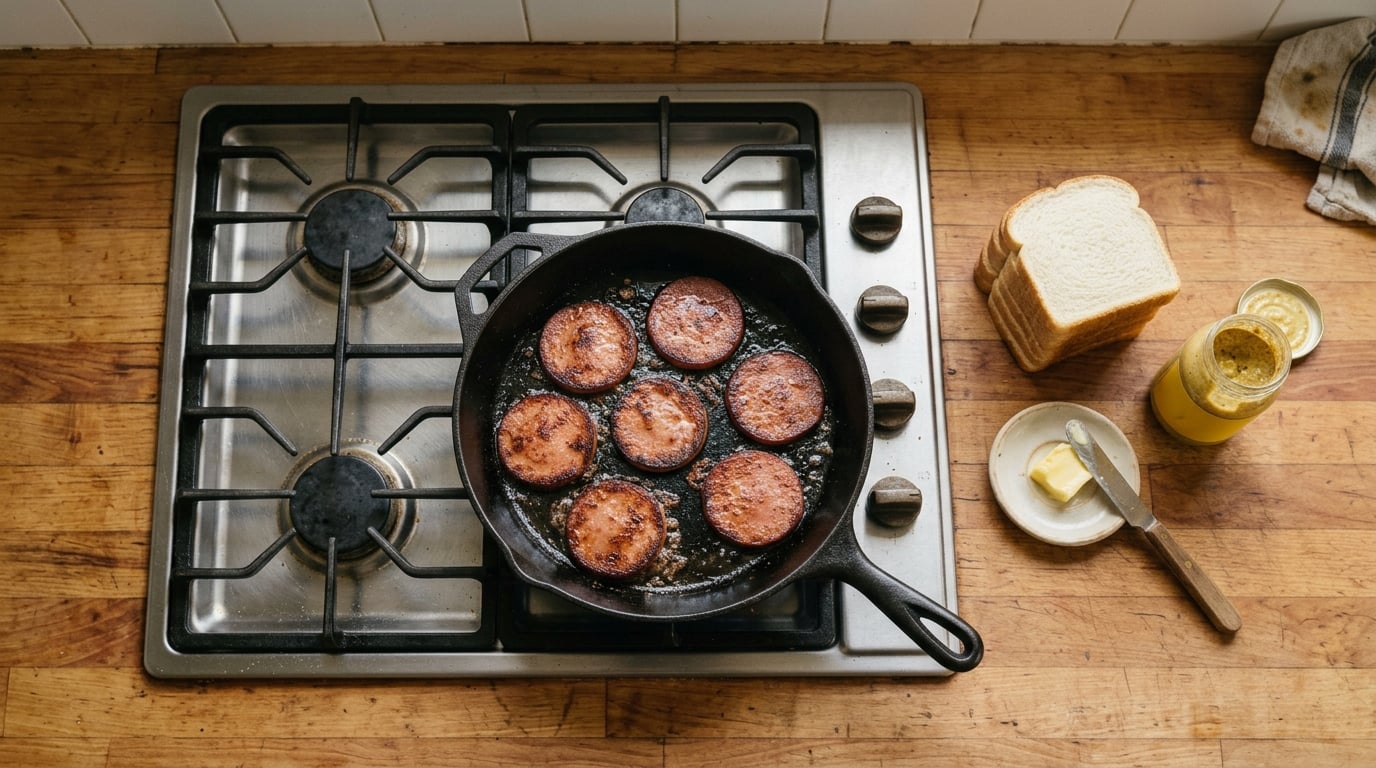
A fried bologna sandwich is one of those lunches where the sandwich is the easy part and the bologna is the whole decision. A slice that is too thin turns leathery and scorches before it crisps, while a slice that is too wet just steams in the pan and leaves you with a soggy bun. The brands below are the twelve worth buying for the skillet, ranked on how they brown, how much they shrink, and how they taste once the mustard goes on.
Most bologna rankings sort brands by how they taste cold out of the package. That is a different job. This list of the best bologna brands for fried bologna sandwiches is about the skillet specifically: slice thickness, how the meat binds, how much fat renders, and whether the slice holds its shape in a hot skillet. Updated for October 2026, and written for people cooking at home rather than ranking a deli case.
Table of Contents
- Best Bologna Brands for Fried Bologna Sandwiches at a Glance
- 1. Hormel
- 2. Oscar Mayer
- 3. Bar-S
- 4. Johnsonville
- 5. Eckrich
- 6. Armour
- 7. Old Fashioned Foods
- 8. Shurfine
- 9. Market Pantry
- 10. Columbus
- 11. Genoa
- 12. Great Value
- How to Choose Bologna for a Fried Sandwich
- How to Fry Bologna Safely and Get the Best Texture
- Frequently Asked Questions
- What is the best bologna brand for a fried bologna sandwich?
- Should fried bologna slices be cooked until crispy or just browned?
- Is packaged bologna safe to eat without cooking?
- What is the difference between American bologna, Italian bologna, and mortadella?
- How long should an opened package of bologna be refrigerated?
- What toppings go best with a fried bologna sandwich?
- Conclusion
Best Bologna Brands for Fried Bologna Sandwiches at a Glance
| Brand | Style | Texture when fried | Flavor profile | Where you find it | Value tier | Best use |
|---|---|---|---|---|---|---|
| Hormel | American emulsified, moderately thin | Browned edges, soft center | Mild, faintly sweet, light smoke | Supermarkets nationwide | Everyday | Everyday sandwiches, kids and picky eaters |
| Oscar Mayer | American emulsified, thick-cut line available | Firm, holds shape well | Balanced salt, mild smoke | Supermarkets nationwide | Everyday | Thick-cut fried sandwiches |
| Bar-S | Classic thick slice in a red casing ring | Crisps fast, edges darken quickly | Beefy, salty, bold | Supermarkets nationwide, deep in the South | Everyday | Fast, high-heat browning |
| Johnsonville | Coarse, substantial American | Stays firm, chewy bite | Straightforward pepper and salt | Supermarkets and club stores | Everyday | Loaded, thick sandwiches |
| Eckrich | Smooth American bologna | Smooth, evenly browned | Mild, lightly seasoned | Supermarkets, strong in the Midwest | Everyday | Classic sandwich, clean taste |
| Armour | Thin American bologna | Crisps quickly, curls easily | Most noticeably seasoned of the big four | Supermarkets nationwide | Budget | Crisp-edged sandwiches |
| Old Fashioned Foods | Deli-style regional bologna | Substantial, holds shape | Fuller, meatier, deli character | Regional grocers, especially the South | Mid | Thick sandwiches with onions |
| Shurfine | Mild American bologna | Soft, quick to brown | Mild, little smoke | Supermarkets and warehouse clubs | Budget | Filling cheap sandwiches |
| Market Pantry | Store brand, thin slices | Thin, crisps at the edges | Clean, mild, almost plain | Target | Budget | Mustard and pickle sandwiches |
| Columbus | Italian-style bologna | Firmer, denser slice | More seasoned, slight wine tang | Supermarkets, Italian grocery sections | Mid | Adult sandwiches, charcuterie board |
| Genoa | Herbed Italian bologna | Soft, yields quickly | Garlic, herbs, pepper | Supermarkets, deli cases | Mid | Seasoned fried sandwiches |
| Great Value | Store brand, thin slices | Thin, browns fast | Mild seasoning | Walmart | Budget | Feeding a crowd cheaply |
Read the table as a set of tradeoffs rather than a verdict on flavor alone. The budget brands give you quantity and a quick cook, and the mid-tier regional and Italian styles give you seasoning that survives heat.
1. Hormel
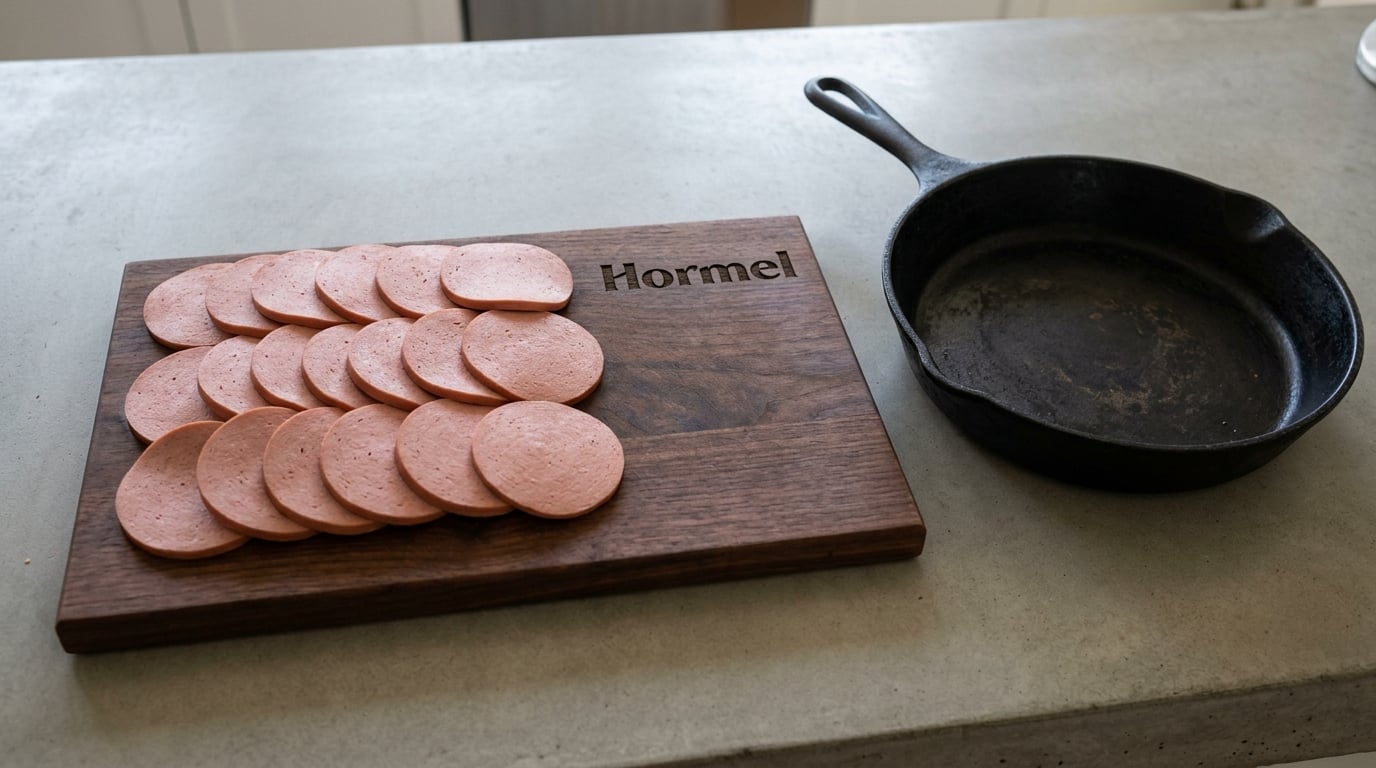
Hormel is the one to buy when you want a fried bologna sandwich that tastes like bologna and not like a spice rack. The seasoning is restrained, the slices brown evenly at medium heat, and the texture stays soft instead of turning rubbery when it sits in the pan too long.
Its slices run on the thinner side, so give them a scoring slit before they go in the skillet, and keep the heat at medium rather than medium-high. A thin slice from this brand goes from golden to scorched in about fifteen seconds once the fat starts to render, which is the single most common way home cooks ruin a fried bologna sandwich.
My go-to build is two slices browned in butter, white bread, a thin spread of yellow mustard, and a fried egg on top. Hormel is a good fit for that combination because the mild base lets the egg and mustard do the talking.
2. Oscar Mayer
Oscar Mayer is the most practical pick for this list, mostly because the brand sells a thick-cut line specifically aimed at people who want more meat per slice. That thickness is the difference between a slice that sears and a slice that steams.
Regular Oscar Mayer bologna is a bit softer and spongier out of the package than you might want, and parts of the line use mechanically separated chicken, which contributes to that slightly slick texture. Blotting the slices on a paper towel for a minute before the pan helps more than it sounds like it should.
On white bread with mustard and a slice of American cheese under the bologna, it makes the version most people picture when they say fried bologna sandwich. Home cooks trying to reproduce Anthony Bourdain’s version generally land on Oscar Mayer as a workable substitute for deli-counter bologna, though most of them note that the real thing is better.
3. Bar-S
Bar-S wins on thickness and on speed. The slices are thick enough to develop a real browned crust, and they crisp faster than anything else on this list, which makes them the brand to reach for when you want the sandwich done in a few minutes.
Two things to know before you cook it. The slices come in a red cellulose ring, which is inedible casing that sits around the outside edge of every slice, so pull it off before the slice goes in the pan or before it goes on the sandwich. And the sodium content runs high even by lunch meat standards, so this is not a daily-driver brand if you watch your salt intake.
Because it browns so quickly, use medium heat and watch it the whole time. Bar-S goes from perfectly crisp to black at the edges in under a minute once the pan is hot.
4. Johnsonville
Johnsonville makes a bologna that is more substantial than the big four, closer to a coarse-ground summer sausage in feel. The slices hold their shape in the skillet and give you a chewier bite, which is exactly what you want when the sandwich is built generously.
The seasoning is straightforward rather than bold, more black pepper and salt than anything exotic, and it does not turn muddy when the slices brown. That restraint means the fried flavor comes from the meat itself, not the spice, which suits people who want a plain fried bologna sandwich with a lot of toppings doing the work.
Two slices per side in a hot skillet, then pile them high with lettuce, tomato, and onion and let the assembled sandwich rest a minute before cutting. The sturdy slices hold up under all of that without going soggy.
5. Eckrich
Eckrich is the pick for cooks who want a classic American bologna sandwich without any notably meaty or smoky notes getting in the way. The texture is very smooth, which means it browns in a uniform way with no hot spots, and the seasoning is light enough that a child or a fussy eater will eat it without complaint.
That smoothness is also its limitation. Eckrich does not develop the crisp, almost-crunchy edges that Bar-S or a low-moisture deli bologna gives you, so if a fried bologna sandwich is about texture for you, this is not the pick. If it is about a clean, predictable, evenly browned slice, it is hard to beat.
It works well with a light butter and a medium-low heat, and it pairs naturally with a slice of cheese melted on top of the bologna while it rests in the pan, so the cheese softens without the slices overcooking.
6. Armour
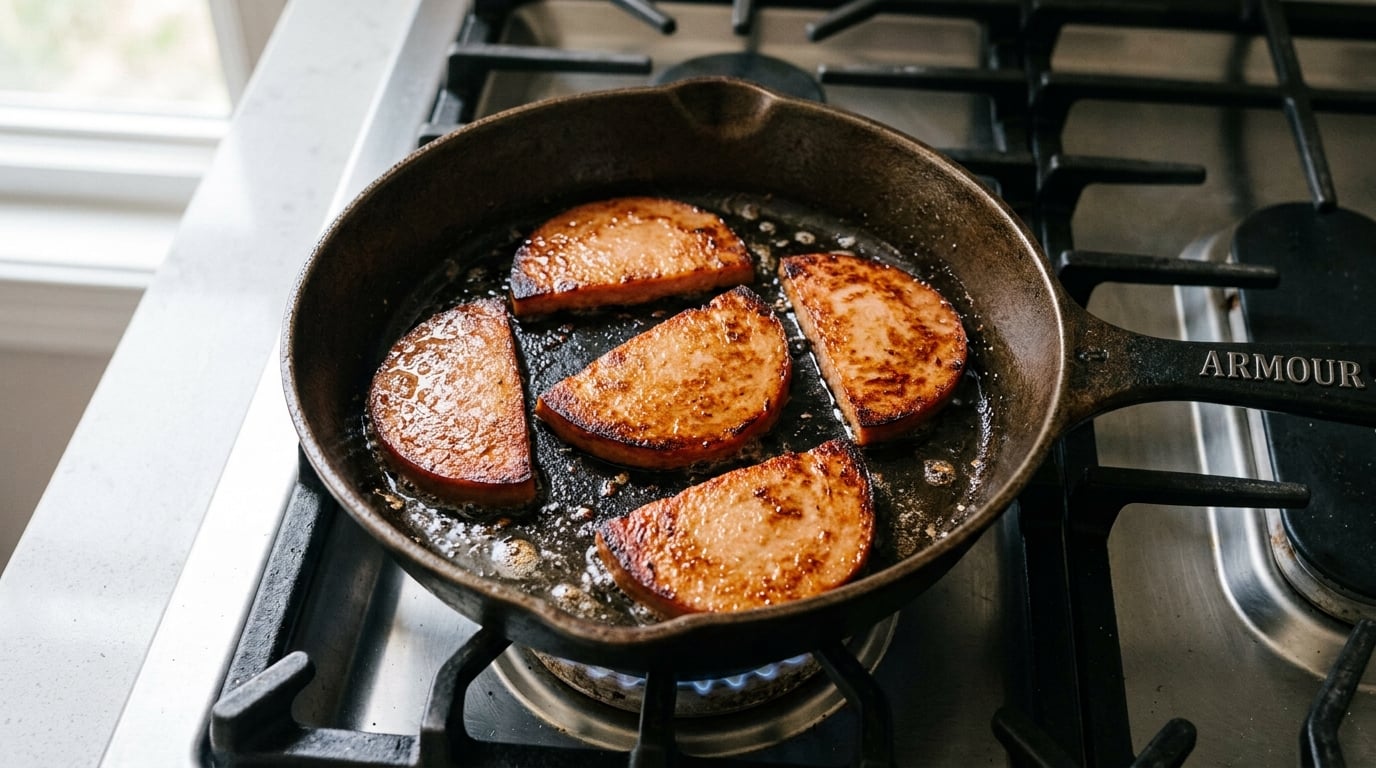
Armour is one of the four big American bologna brands, and among them it carries the most noticeable seasoning. That seasoning is a real advantage in a skillet, where heat flattens mild bologna and the pepper and spice come through more clearly than they do cold.
The slices are thin, and thin is a double-edged thing here. They crisp fast at the edges, which is great, but they also curl into shallow cups and cook unevenly if the pan is too hot. Score two or three straight slits through each slice, cutting about halfway into the meat, and they stay flat and brown on both sides.
Use medium heat and give them two minutes per side. Armour is a good pick for a crisp-edged fried bologna sandwich on a soft roll with plenty of yellow mustard, and the flavor stays present even under heavy condiments.
7. Old Fashioned Foods
Old Fashioned Foods bologna has deli-style character rather than lunch-luggage character. The slices are substantial, the flavor is fuller and more meat-forward, and it fries with the sort of steady browning you get from a sausage that was made to be cooked rather than heated.
It is regionally distributed, so you are most likely to find it in the South and in smaller regional grocery chains rather than everywhere at once. If your store carries it, this is the one to buy when you want the fried bologna sandwich to taste like something closer to grilled sausage.
It wants a thick sandwich. Two slices, onions, a smear of mayonnaise, and a piece of white bread is enough structure to show off the flavor, and the slices hold together through it without falling apart at the edges.
8. Shurfine
Shurfine is a practical everyday pick for people who want a mild bologna that is easy to find and easy to cook. The flavor is very light with almost no smoke, which makes it a neutral base for a sandwich full of condiments and pickles.
The slices are soft and brown quickly at medium heat, so keep an eye on them. Because there is not much fat or seasoning to slow them down, they can go from done to dry faster than the heavier brands, and pulling them a shade early is usually right.
It is a good fit for a large family sandwich where you want something everyone will eat, and for packable lunches where the sandwich will sit for a while, since the soft texture tolerates holding better than a very firm one.
9. Market Pantry
Market Pantry is Target’s store brand, and the slices are thin, mild, and almost aggressively neutral. There is very little smoke or spice here, which some people read as bland and other people read as the perfect background for mustard and pickles.
Thin slices are a real constraint in a skillet. They crisp at the rim, curl in the middle, and can scorch before the center catches up, so the scoring trick matters more with this brand than with most. Score each slice, use medium heat, and give it less time than you think.
For the simplest version, brown two slices, spread yellow mustard and sweet pickle relish on white bread, add a couple of dill pickle chips, and close it up. The clean profile of the bologna is exactly what you want under sharp condiments like that.
10. Columbus
Columbus is the Italian-style entry on this list, and it is a genuine alternative to the American emulsified style rather than a clone of it. The slice is denser and firmer, the seasoning is more pronounced, and there is a slight tang that reads as wine and spice rather than smoke.
Firmness is an asset in a skillet. The slices brown without shrinking much and hold their edges, so you get a sandwich that has some structural integrity even under a heavy pile of toppings. The tradeoff is that the texture is less tender, so thin slices are better than thick ones here, and a hot pan suits it more than a gently warmed one.
It is a good sandwich for adults who find standard bologna bland. Columbus also works well sliced thin on a charcuterie board, which is a fair alternative when you do not feel like frying anything.
11. Genoa
Genoa bologna is herbed and peppery, with a soft body that gives up heat quickly. Where Columbus is firm and assertive, Genoa is soft and aromatic, and the garlic and herbs come through clearly in a skillet because heat releases the aromatic compounds rather than burying them.
Soft is a mixed blessing for frying. The slice browns fast and does not need a long cook, but it also does not hold a crisp edge, so this is the brand to choose when you want a hot, seasoned slice inside the sandwich rather than a crunchy one on top.
Fold two slices into the pan in butter, let them take color, and serve them on a roll with mozzarella and roasted peppers if you want to lean into the Italian profile. Simple bread and a little hot sauce works just as well.
12. Great Value
Great Value is Walmart’s store brand, and it is the one to buy when you are feeding a group and the sandwich is not the point. The slices are thin, the seasoning is mild, and the result is consistent slice to slice.
Consistency is genuinely the product here. Nothing about the flavor surprises you, and the texture is soft enough that a large batch fries evenly as long as you are not crowding the skillet. Read the compromises plainly: you are not getting a browned crust, a meaty bite, or much seasoning, and the slices need the scoring treatment to stay flat.
If the goal is a cheap sandwich that fills people up, it does that reliably. Brown the slices, drain them on a paper towel, and add mustard and onions once they are out of the pan so the steam softens the bread as little as possible.
How to Choose Bologna for a Fried Sandwich
Slice thickness is the single variable that decides whether a fried bologna sandwich works. Thin slices, under about an eighth of an inch, crisp fast and burn fast, and they curl into cups in the middle of the pan. Thick slices, closer to a quarter inch, brown evenly, stay flat, and give you enough interior to still be tender once the outside is golden. When a brand offers both, buy the thick-cut line.
Next, look at how the meat binds. Emulsified bologna is ground into a paste with added moisture, which is exactly why so many brands steam rather than sear. Coarser or deli-counter styles hold more of their own structure and take heat better. If a package lists mechanically separated chicken or hydrolyzed protein, expect a softer slice that releases more water into the pan.
Seasoning is the third thing to check, and the answer depends on what you plan to put on top. A heavily seasoned bologna still tastes good under mayo and pickles, while a mild one is the better choice for a sandwich that leans on mustard and cheese. There is no wrong answer here, only a mismatch that disappoints you at lunch.
Package thickness and serving size matter for portion planning. A thick slice is roughly a full serving on its own, and thin slices from a thin-sliced brand are not, so a sandwich built on thin slices usually needs three or four of them to feel generous.
Finally, weigh regional availability honestly. Boar’s Head and Wunderbar, the two brands that dominate most cold-taste rankings, live in the deli case or the specialty case rather than the main refrigerated aisle, and they carry a higher price tag that puts them out of reach for a weekly cookout. The brands on this list are the ones you can find in a normal supermarket run, with the exception of the regional names, which cluster in specific parts of the country.
How to Fry Bologna Safely and Get the Best Texture
What the best bologna brands for frying have in common
They are low in added water, cut thick, and seasoned enough to taste like something after the pan heat strips away the top notes. Any brand that meets those three criteria will fry well, even if it never shows up on a list. The reverse is also true, which is why cold-taste favorites like a deli-counter beef bologna are worth trying when you can find one, and why many supermarket brands are not.
Pan, fat, and heat
Use a cast iron skillet if you have one, because it holds heat and gives you a better sear, and a nonstick skillet if you do not, because sticking is the fastest way to tear a slice apart. Butter gives you the best flavor and the fastest browning, and it burns, so for anything beyond two or three slices a neutral oil is the more forgiving choice. Medium heat is right for almost every brand; medium-high works for thick-cut bologna that needs to move fast, and it is the setting that turns thin slices black before they crisp.
Steps
First, preheat the skillet fully before anything goes in. A pan that is not hot yet will slowly cook the slice in its own moisture instead of searing it, which is how you get a grey bologna sandwich.
Second, lay slices in a single layer and do not crowd the skillet. Touching slices trap steam and the underside never browns. Two rounds of three slices beats one crowded round every time.
Third, score thin slices. Two or three straight slits cut about halfway through the meat stop the edges from curling up into a cup and let both sides cook at the same rate.
Fourth, leave each side alone for two to three minutes at medium heat. Moving the slices early sticks them. You want the edges to release on their own before you try to turn them.
Fifth, brown both sides, and add cheese in the last minute if you are using it, so it melts over the meat without the slice overcooking underneath.
Doneness and storage
Bologna is sold fully cooked, but frying it is still cooking ground meat, and the USDA recommends a minimum internal temperature of 160°F for ground meat products. In practice a slice browned on both sides for two to three minutes per side passes that easily, but if you are cooking frozen or very cold-thick slices straight from the package, give the thickest part a longer sit and check it with an instant-read thermometer.
Cooked slices keep for three to four days in the refrigerator in a covered container. For the unopened package, follow the label and keep it cold, since sliced bologna is a refrigerated product rather than a pantry one.
Frequently Asked Questions
What is the best bologna brand for a fried bologna sandwich?
A thick-cut, low-moisture bologna is what you want, and among the brands on this list Hormel and Oscar Mayer thick-cut are the most dependable all-around choices. Bar-S browns fastest and gives the crispest edges but needs its red casing ring removed. If you can buy deli-counter bologna sliced thick, that beats every packaged option for flavor.
Should fried bologna slices be cooked until crispy or just browned?
Browned on both sides is the right target, and light crispness at the edges is a bonus. Fully crispy bologna usually means overcooking, which dries the interior and leaves you with a leathery slice. Give each side two to three minutes at medium heat and pull the slices as soon as the edges take color.
Is packaged bologna safe to eat without cooking?
Yes. Packaged bologna is fully cooked before it reaches the shelf, and cold bologna sandwiches are a normal way to eat it. That is a separate question from whether you enjoy the texture, and most people who fry bologna do so for the browned crust rather than for safety.
What is the difference between American bologna, Italian bologna, and mortadella?
American bologna is an emulsified, mild sausage with a smooth texture, which is the style most fried bologna sandwiches use. Italian bologna is a more seasoned, firmer cousin with visible herbs and spice. Mortadella is the original from Bologna, Italy, a coarse-ground white sausage with visible cubes of cured fat and a much lighter, more delicate texture than either.
How long should an opened package of bologna be refrigerated?
Most packages call for refrigeration and use within a few days of opening, so plan on three to five days and check the label on your specific brand. Keep the resealed package on the middle shelf rather than in the door, and cook fried slices within three or four days in a covered container.
What toppings go best with a fried bologna sandwich?
Yellow mustard and sweet pickle relish are the classic pairing because the sharpness cuts the fat. A fried egg, raw onion, and a slice of American cheese are the other standard additions. Deli-style bologna also handles lettuce, tomato, and roast beef, while the Italian styles pair well with mozzarella and roasted peppers.
Conclusion
Start with Hormel or Oscar Mayer thick-cut for a fried bologna sandwich that is mild, evenly browned, and easy to build. Go with Bar-S when you want the crispest, fastest-browning edges and do not mind pulling the red casing ring off each slice. Pick Old Fashioned Foods or Columbus for a fuller, meatier sandwich, and save Market Pantry or Great Value for feeding a crowd on a budget.
Whichever you buy, the two decisions that matter are slice thickness and how crisp you want it. Buy thick, score thin, and keep the heat at medium.