
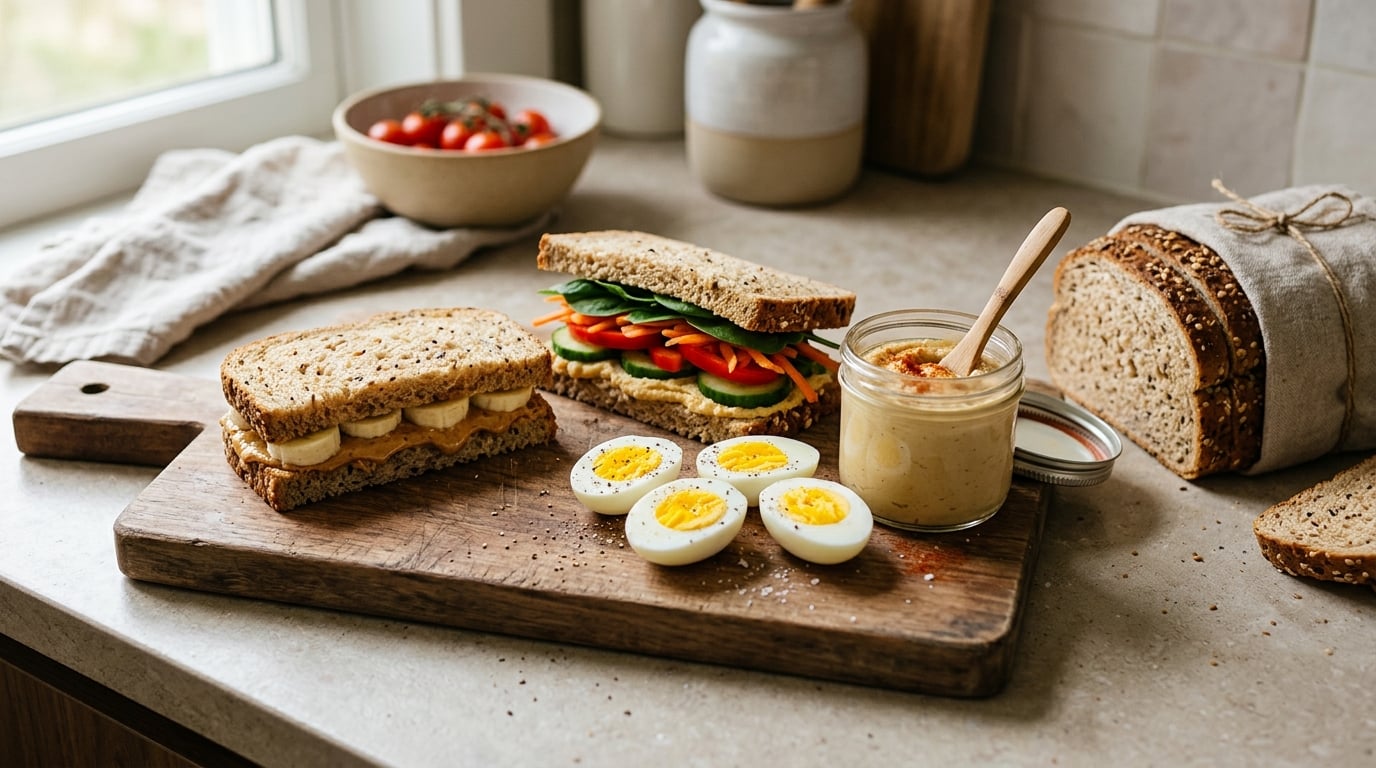
The cheapest sandwiches are the ones you build from things already in the pantry: eggs, canned tuna, canned beans, lentils, hummus, cheese and bread. Best cheap sandwich ideas when deli meat is too expensive all follow the same logic, swap the expensive protein layer for something cheap and protein-dense, then add bulk with vegetables, spreads and crunch. None of these need a deli counter, and most take under ten minutes.
I cook for a household of four on a tight grocery budget, and the deli counter is the line item I cut first. Per-pound pricing on cold cuts has climbed enough that a sandwich built on sliced turkey can cost more than a fast food meal. The sandwiches below cost a fraction of that, mostly because the protein comes out of a can, a pot, or the fridge instead of the deli case.
What follows is a roundup of twelve, ordered roughly by how much effort they take. The first one needs no heat at all, the middle ones take a skillet or a pot, and the last few are assembly-only. Cost levels are described qualitatively rather than in dollars, since grocery prices shift around by region and by week.
Table of Contents
- Best Cheap Sandwich Ideas When Deli Meat Is Too Expensive at a Glance
- 1. Peanut Butter and Banana Sandwich: The Filling You Already Paid For
- 2. Hummus and Crunchy Vegetable Sandwich
- 3. Tuna and Bean Leaf Sandwich
- 4. Egg Salad Sandwich on Toast
- 5. Grilled Cheddar and Apple Sandwich
- 6. Black Bean and Cheese Burrito Sandwich
- 7. Leftover Chicken and Lettuce Sandwich
- 8. Lentil and Cheese Sandwich
- 9. Canned Salmon and Cucumber Sandwich
- 10. Marinated Tofu and Cabbage Sandwich
- 11. Cream Cheese, Cucumber, and Tomato Bagel
- 12. Chopped Salad Pita Pocket
- Frequently Asked Questions
- What can I use instead of deli meat for sandwiches?
- How can I make a cheap sandwich filling without processed meat?
- What is the cheapest filling for lunch sandwiches?
- Which budget sandwiches keep well for meal prep?
- How should I store homemade sandwiches with eggs or tuna?
- How can I stop inexpensive sandwiches from tasting bland?
- What to Make First on a Budget
Best Cheap Sandwich Ideas When Deli Meat Is Too Expensive at a Glance

Here is every sandwich in the roundup side by side, so you can pick before you shop. The cost column is relative: very low means it is built almost entirely from pantry items you likely already own, low means one or two cheap fresh ingredients, and moderate means it uses a canned or refrigerated protein that keeps well.
| Sandwich | Main ingredients | Cost level | Prep time | Best used |
|---|---|---|---|---|
| Peanut butter and banana | Peanut butter, banana, bread | Very low | 3 minutes, no heat | Kid lunches, after-school snacks, no-cook days |
| Hummus and crunchy vegetables | Hummus, cucumber, carrot, pepper | Low | 7 minutes, no heat | Packed lunches that sit for hours |
| Tuna and bean leaf | Canned tuna, mayo or yogurt, greens | Low | 6 minutes, no heat | Adult lunches, high-protein midday meals |
| Egg salad on toast | Hard-boiled eggs, mayo or yogurt, mustard | Very low | 20 minutes plus boiling | Make-ahead weekday lunches, picky eaters |
| Grilled cheddar and apple | Cheddar, apple, honey mustard | Low | 8 minutes, skillet | Warm lunches, cold weather, picky eaters |
| Black bean and cheese | Canned black beans, cheese, tortilla | Very low | 10 minutes, skillet or microwave | Filling vegetarian lunches, dinner sandwiches |
| Leftover chicken and lettuce | Roast chicken leftovers, mayo, lettuce | Very low | 5 minutes plus reheating | Day after a roast dinner |
| Lentil and cheese | Cooked lentils, grated cheese, mustard | Very low | 10 minutes, pantry only | Vegetarian protein, batch lunches |
| Canned salmon and cucumber | Canned salmon, yogurt, dill, cucumber | Low | 6 minutes, no heat | Lunches that need omega-3 fats and a savory edge |
| Marinated tofu and cabbage | Firm tofu, cabbage, soy-ginger-lime | Low | 20 minutes, skillet | Meat-free weeks, higher-protein sandwiches |
| Cream cheese and tomato bagel | Cream cheese, cucumber, tomato, bagel | Low | 5 minutes, toaster | Quick breakfasts and work lunches |
| Chopped salad pita | Chickpeas, cucumber, tomato, pita | Very low | 10 minutes, no heat | Picnics, portable lunches, warm-weather meals |
1. Peanut Butter and Banana Sandwich: The Filling You Already Paid For
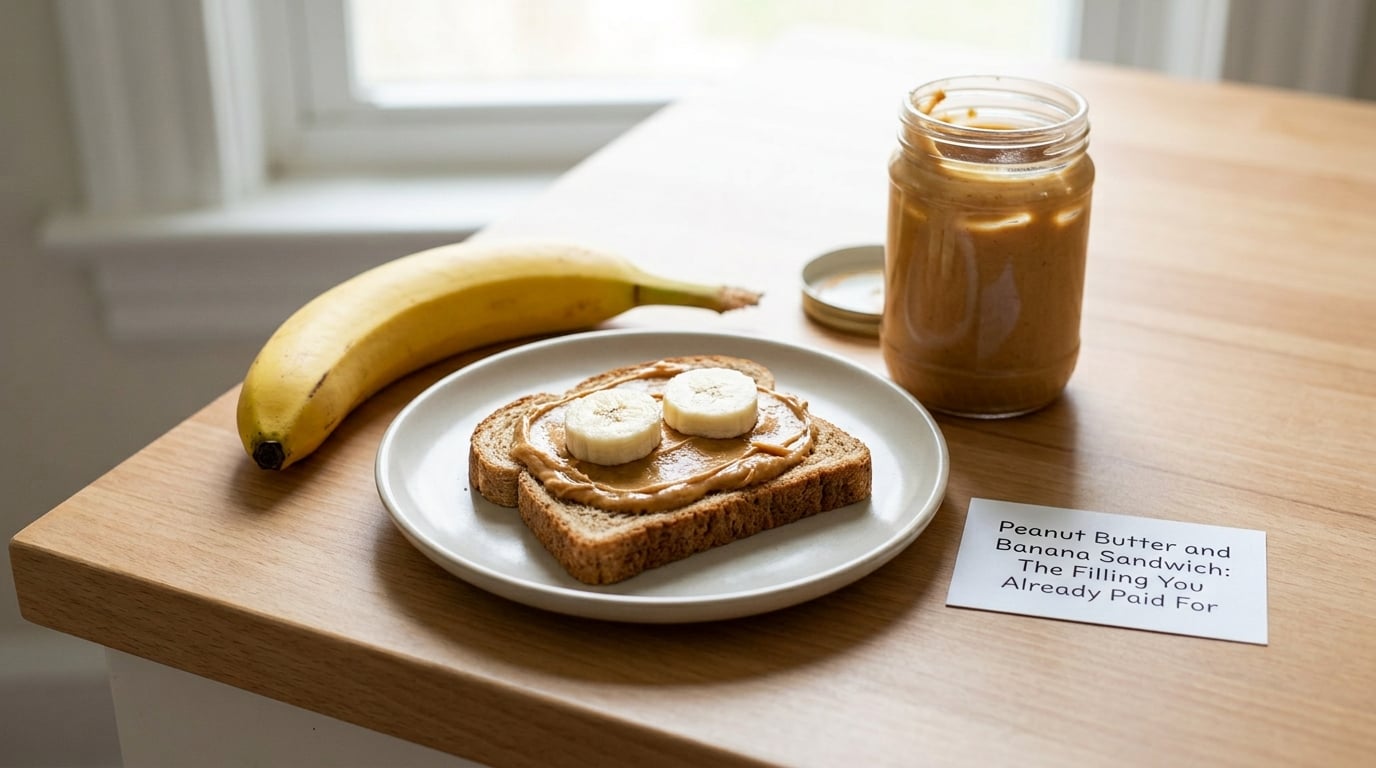
Nothing on this list costs less, and nothing gets rejected by a picky kid as reliably as this one. Peanut butter and banana is a no-cook combination that turns two pantry items into something with fat, fiber and enough staying power to hold until dinner.
Spread peanut butter edge to edge on whole-grain bread, lay two banana slices on top, and press the second slice of bread down firmly. Cutting the banana lengthwise instead of in rounds makes the sandwich hold together better in a lunch bag. Add a thin squeeze of honey if you want it sweeter, or a pinch of cinnamon and a few chopped walnuts for texture and a small protein boost.
Store it in the fridge if it is going in a bag for more than a couple of hours, and keep it out of a hot car, which is where the banana turns and the bread goes stale. For a serving suggestion, cut it into quarters and add a handful of grapes or a small apple on the side.
How to Build the Best Cheap Sandwich When Deli Meat Is Too Expensive
There is a formula behind every sandwich on this list, and the peanut butter version is the easiest one to memorize. Sturdy bread, a low-cost protein or spread, something fresh for bulk, a seasoning, and one crunchy extra. Follow that order and you can build a filling lunch out of almost anything open in the fridge.
Sturdy bread matters more than people think, because a soft roll collapses under a wet filling. Whole wheat, rye, sourdough ends or a thick slice of whatever loaf is on sale all work, and stale bread is not a failure, it is ideal for toast or for a pressed sandwich.
The protein layer is where the money goes, so that is where the swap matters. Peanut butter, canned tuna, hard-boiled eggs, leftover chicken, mashed beans, cooked lentils and grated cheese all carry a similar amount of protein per serving for a fraction of the cost of cold cuts. Seasoning is what keeps an inexpensive sandwich from tasting like an expensive one, so use it generously: mustard, vinegar, pepper, paprika, dill, garlic powder or a little pickle brine.
Bulk comes from vegetables, which are usually the cheapest thing in the basket. Shredded carrot, cucumber, cabbage, lettuce and tomato add volume and crunch. The final extra, whether that is chopped pickles, potato chips, sunflower seeds or a pickle spear, is what turns a plate of ingredients into lunch you look forward to.
2. Hummus and Crunchy Vegetable Sandwich
Hummus replaces the meat layer with protein and fat at the same time, and the vegetables supply the volume that keeps it a meal rather than a snack. This is my default packed lunch, mostly because it holds up for hours without turning to mush.
Spread hummus about a quarter inch thick on two slices of sturdy bread, then add thin cucumber rounds, grated carrot, and strips of red pepper. A pinch of everything seasoning, or flaky salt with lemon juice, does most of the flavor work. The carrots and pepper should be patted dry with a paper towel first, because water is what ruins a packed sandwich.
For the soggy bread problem that comes up constantly on cooking forums, pack the wet ingredients separately and add them at lunch, or build the sandwich on a flour tortilla, which handles moisture far better than a soft roll. Keep the finished sandwich refrigerated, and eat it within a day.
3. Tuna and Bean Leaf Sandwich
Canned tuna is the closest thing to a deli meat substitute that still tastes savory and meaty. Drain a can, mix it with a spoonful of mayonnaise or plain Greek yogurt, and you have a filling that costs a small fraction of the sliced version.
Season it properly, with black pepper, a squeeze of lemon, a little mustard and a spoonful of pickle brine or chopped pickles. Spoon the mixture onto bread over a bed of lettuce, spinach or arugula, and top with a few thin onion rings if you like the bite. Capers or a dash of hot sauce keep it interesting on a day when the basics feel flat.
Tuna and eggs are both perishable, so refrigerate the finished sandwich and keep it cold during transport. Do not leave a tuna sandwich at room temperature for more than two hours, and less than an hour in hot weather.
4. Egg Salad Sandwich on Toast
Eggs are one of the cheapest sources of protein available, and egg salad has the advantage of keeping for several days, which makes it the workhorse of a weekly lunch rotation. It also travels well and appeals to children who dislike most raw vegetables.
For two servings, boil six eggs for about twelve minutes, cool them under running water, and peel them. Chop four of them and mash two into a paste so the mixture holds together better, then stir in two tablespoons of mayonnaise or Greek yogurt, a teaspoon of mustard, salt and pepper. Mix in a small amount of chopped celery or pickle for crunch.
The secret to a creamy texture is mashing some of the egg white, and adding a teaspoon of water or pickle brine if the mixture looks stiff. Serve it on toast with a few pickle slices on the side, which is the version most people grew up with and still prefer.
Egg salad needs to stay refrigerated. Use it within three to four days of making it, and never leave it out for more than two hours.
5. Grilled Cheddar and Apple Sandwich
Cheese and fruit is an old combination, but a skillet turns it into a hot sandwich that feels like a treat rather than a compromise. Cheddar and apple with honey mustard is the version to start with, and it costs less than the ingredients of most deli sandwiches.
Build the sandwich with a slice of cheddar and thin apple slices between buttered bread, then cook it in a skillet over medium heat for about three minutes a side, pressing it down with a spatula. If you have a panini press or a toaster oven, use it, and you get the same result with less oil.
Substitutions are easy. Any firm cheese works, Swiss is milder and good with pear, and provolone or a mild cheddar blend suits adults who find sharp cheddar overpowering. A thin layer of cream cheese spread on the bread before the cheese keeps it from sliding out. Add shredded chicken to the same build if you want a hot sandwich with actual meat in it.
Grilled cheese sandwiches are best eaten right away, since the bread softens as it sits. If you are packing one, refrigerate it separately from any wet filling and do not add a humid ingredient such as tomato unless you drain it well.
6. Black Bean and Cheese Burrito Sandwich
Canned black beans turn a tortilla into a sandwich that is filling enough to count as dinner, and the can costs less than a single serving of deli meat. This is the one I make when a container of beans is sitting in the cupboard with nothing else planned.
Drain a can of black beans, mash them roughly with a fork, and stir in a spoonful of salsa, a pinch of cumin, garlic powder and salt. A spoonful of sour cream or plain yogurt keeps it moist without making it heavy. Spoon the mixture onto a tortilla, add a strip or two of cheese, and fold it in.
For a crisp outside, cook the folded tortilla in a dry skillet for two minutes a side. For a softer roll, wrap it in foil and bake until the cheese melts. Watch the moisture, since wet beans are the main reason these turn soggy, and mashed beans are easier to control than whole ones.
Leftover cooked rice stirred into the filling stretches the batch and adds bulk for nothing. Keep the extra filling sealed in the fridge and use it within three days, and refrigerate any leftover finished sandwiches before eating.
7. Leftover Chicken and Lettuce Sandwich
Sunday roast chicken is deli meat you already paid for, and throwing it away to buy a fresh pack is one of the most expensive habits in a sandwich budget. Shredding the leftovers and turning them into a sandwich gets a second meal out of the same bird.
Chop or shred the refrigerated chicken into small pieces, mix it with a spoonful of mayonnaise or a spoon of mustard, and season it with salt, pepper and a little garlic powder or paprika. Build it on bread with lettuce, tomato and a few onion rings, and it tastes nothing like a leftover plate.
The important step is the heat. Reheat the chicken to an internal temperature of 165 degrees Fahrenheit, which means it should be steaming hot all the way through, not just warm on the outside. Once the chicken is mixed into a dressing, eat it promptly and refrigerate the rest within two hours.
8. Lentil and Cheese Sandwich
Lentils are one of the least expensive ways to get real protein into a sandwich, and a pot of them cooks itself while you do something else. The filling looks unusual on a plate, which is exactly why it works for people tired of cold cuts.
Cook brown or green lentils in salted water until soft, about twenty to twenty-five minutes, then drain them well. Season with vinegar, olive oil, mustard, salt, pepper and a spoonful of grated cheese, and mash lightly so the mixture holds together. A pinch of cumin or smoked paprika makes it taste more deliberate than it is.
Stir in chopped cucumber, bell pepper or shredded carrot for bulk, spread the mixture thickly on sturdy bread, and press the top slice down. Grated cheddar, Swiss or a sharp provolone all work. The sandwich is vegetarian, and it holds up well for a packed lunch if the bread is chewy rather than soft.
Refrigerate the finished sandwich and the cooked lentils, and use the leftovers within three or four days. Cooked lentils also freeze well in a flat bag, so a batch can cover several lunches at once.
9. Canned Salmon and Cucumber Sandwich
Canned salmon is a savory, filling alternative when the deli case is out of reach, and it brings a different flavor profile from tuna, which helps when you are rotating through cheap lunches. Fresh salmon would be the expensive part, and this is the version that works on a budget.
Drain the salmon and flake it with a fork, leaving some texture rather than mashing it smooth. Mix it with a spoonful of plain Greek yogurt, a teaspoon of mustard, and a pinch of dill, chives or onion. Serve it on whole-grain bread with thin cucumber slices and a few sprouts or shredded lettuce.
A squeeze of lemon at the end sharpens everything, and a small amount of horseradish or capers adds bite for adults. The yogurt keeps the filling lighter than mayo and helps it hold together.
Fish-based fillings need the same cold discipline as tuna. Refrigerate the finished sandwich, keep it cold on the way to work or school, and do not leave it at room temperature longer than two hours.
10. Marinated Tofu and Cabbage Sandwich
Firm tofu is inexpensive, keeps its shape, and takes on flavor fast, which makes it the answer for weeks when you want a sandwich with real substance. Shredded cabbage is the other half of the trick, adding crunch and bulk for pennies.
Press the tofu between two plates under a weight for fifteen minutes, then cube it and sear it in a hot skillet until golden on each side. While it cooks, mix a marinade of soy sauce, grated ginger and lime juice, or a simpler vinegar, sugar and mustard version. Pour it over the hot tofu and let it sit for a few minutes before draining.
Build the sandwich with a thin layer of mayo or the leftover marinade, pile on the tofu, and top with shredded cabbage, a little grated carrot and sliced scallions. Serve it on a sturdy roll or a toasted tortilla, and keep the filling from overstuffing the bread by using half the cabbage and adding more alongside.
Marinated tofu keeps three or four days in the fridge and is even better the next day, which makes it a good make-ahead component for a batch of sandwiches.
11. Cream Cheese, Cucumber, and Tomato Bagel
This one requires nothing from the pantry except bread, which makes it the fallback when a grocery trip slips. Cream cheese adds fat and a little protein, and the vegetables make it a real lunch rather than a snack.
Toast a bagel, then spread cream cheese thickly and season it with everything seasoning, black pepper, or a little honey and cinnamon for a sweeter version. Layer on thinly sliced cucumber and tomato, and add a few sprouts, sliced radish or a strip of cooked bacon if you have it.
Draining matters more than anything else here. Salt the tomato and cucumber slices, blot them with a paper towel, and let them sit for five minutes before layering, and the sandwich will still be crisp by noon. If you are building it the night before, keep the vegetables in a separate container and add them in the morning.
Cheese and fresh tomato are both perishable, so refrigerate a packed bagel and eat it within a day.
12. Chopped Salad Pita Pocket
A chopped salad in a pita is a sandwich that needs no bread toasting, no heat, and no store-bought deli anything. Chickpeas add protein and texture, and the vegetables keep it light enough for a hot day when a warm sandwich sounds wrong.
Chop cucumber, tomato and red onion into small pieces, add half a can of drained chickpeas, and dress it with olive oil, lemon juice, salt and dried oregano. A spoon of hummus mixed into the dressing holds it together and adds richness without a mayonnaise base.
To stop the pocket from going soggy, dress the vegetables lightly and add the crunchiest items last. Cheese, croutons and hard chopped vegetables go in after the wet ingredients, not before, and a thin coating of hummus on the inside of the pita helps insulate the bread. Wrap it in parchment or foil rather than plastic if you are packing it to travel.
A chopped salad pita is best eaten the same day, and it should be chilled if stored, since the vegetables and any added dairy are perishable. Other inexpensive add-ins that work are canned corn, a boiled egg, shredded carrot, or a handful of olives.
Frequently Asked Questions
What can I use instead of deli meat for sandwiches?
The cheapest stand-ins are canned tuna, canned salmon, hard-boiled eggs, canned beans, cooked lentils, leftover roast chicken, marinated tofu and grated cheese. Each brings protein and flavor for a fraction of the cost of sliced cold cuts. Choose the protein first, then add vegetables, a spread and some crunch so the sandwich still eats like a meal.
How can I make a cheap sandwich filling without processed meat?
Mix something protein-dense with a spread and something acidic. Tuna plus yogurt plus pickle brine, white beans plus mustard plus vinegar, and lentils plus cheese plus lemon all follow the same pattern. The acid is what stops inexpensive food from tasting flat, and it costs almost nothing to add.
What is the cheapest filling for lunch sandwiches?
Peanut butter is the cheapest by a wide margin, followed by mashed beans with mustard and cooked eggs chopped with a little mayonnaise. All three need almost no preparation, and peanut butter and banana is the option children most reliably eat. Add a vegetable if you want the sandwich to hold until dinner.
Which budget sandwiches keep well for meal prep?
Egg salad, tuna, canned salmon, marinated tofu, chopped salad pita and cream cheese sandwiches all hold through a workday if you pack the wet ingredients separately. Skip anything with fresh tomato or cucumber exposed until the last minute, and keep fillings that contain eggs, fish or dairy refrigerated. Build a batch on Sunday and it covers the week without much work.
How should I store homemade sandwiches with eggs or tuna?
Keep them refrigerated at or below 40 degrees Fahrenheit and eat them within a day, or within three to four days if you store the filling separately and assemble later. Never leave a sandwich with eggs, tuna or salmon at room temperature for more than two hours, and use less than an hour when it is hot outside.
How can I stop inexpensive sandwiches from tasting bland?
Season in layers with acid and salt rather than reaching for more filling. Vinegar, pickle brine, lemon juice, mustard, pepper, paprika, garlic powder and fresh herbs change the same cheap ingredients completely. Toast the bread, add a crunchy element like pickles or seeds, and use a strong cheese rather than a bland block.
What to Make First on a Budget
Start with the hummus and crunchy vegetable sandwich or the egg salad. Both are inexpensive, filling, versatile enough to change every week, and they need only a handful of ingredients you can keep stocked without planning around them. Egg salad also makes a natural batch, since one pot of boiled eggs covers several lunches at once.
Before you add anything to a shopping list, check the pantry and look at the bread. Canned beans, a jar of hummus, eggs, a block of cheese, whatever is left from dinner, and the loaf on the counter will cover most of this list. The best cheap sandwich ideas when deli meat is too expensive are really just leftovers, organized differently, and the savings come from changing what you already have rather than buying more.